Field notes: the sortie that came back with four thousand frames
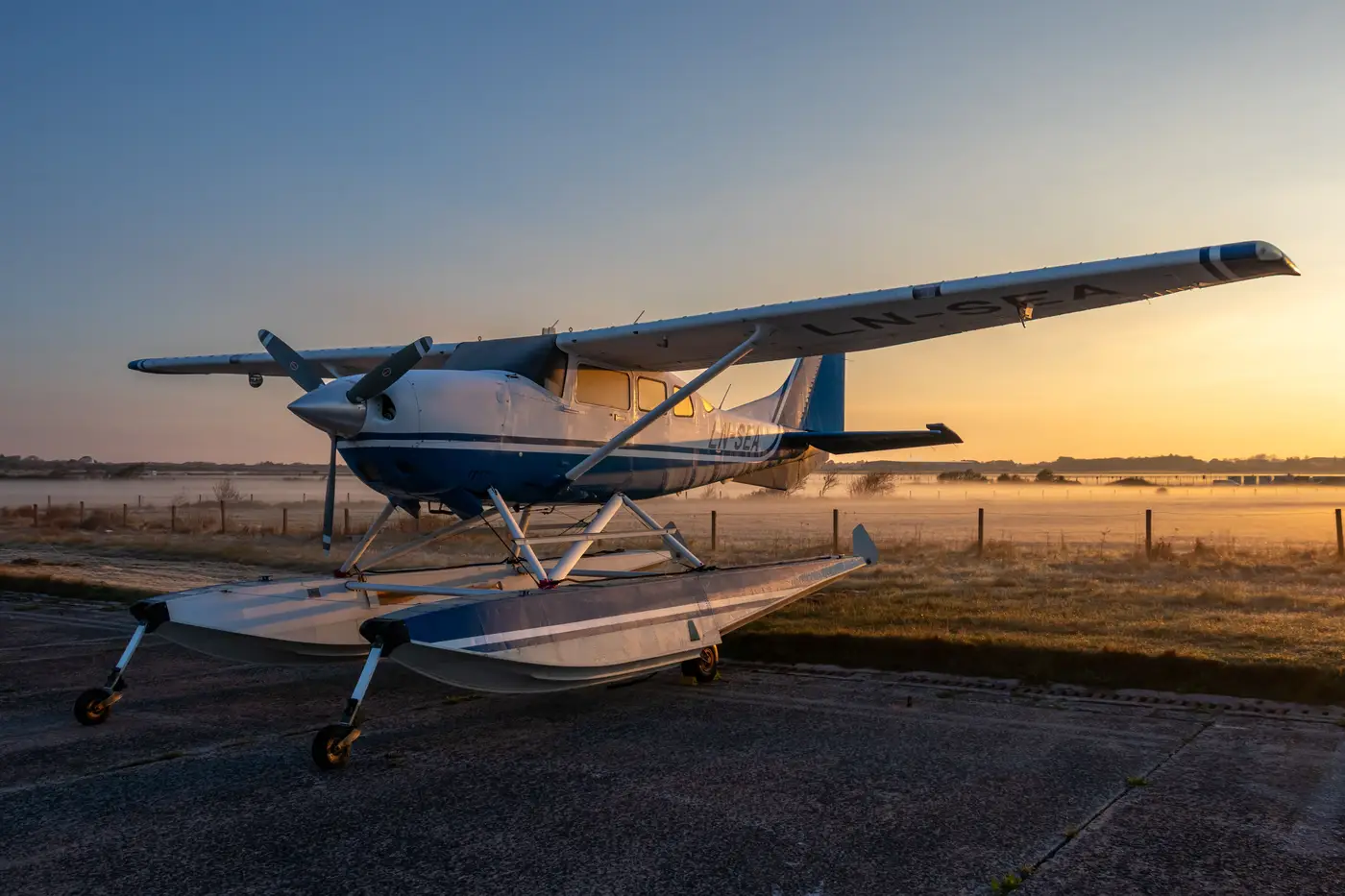
The sortie landed at 1:52. The briefing for the next operational period was at 2:30. In between, somebody had to look at four thousand frames.
That's the math nobody puts in the after-action report. A fixed-wing flew a nine-square-mile sector at first light, came back with a card full of RGB stills shot on an event-driven trigger, and handed it to the imagery lead with a time limit that had nothing to do with how fast a human can scroll. Thirty-eight minutes, if you want the real number, because the IC wanted two minutes of buffer before she opened the period with "here's what the air asset found."
Four thousand frames in thirty-eight minutes is roughly nine frames a second if you tried to brute-force it, which of course nobody does, because nobody can evaluate a frame in a ninth of a second. What happens instead is the imagery lead starts triaging. Skip the tree canopy sub-sector, it's a known loss anyway. Slow down over the wash where the PLS puts the subject. Blink through the agricultural stretch at the north end because there's nothing out there but center-pivot circles and a dead combine. By minute twenty you're not reviewing a sector anymore, you're reviewing your own fatigue, and that's the part that should worry a coordinator more than the frame count does.
I've sat next to that review more than once, and the thing that gets lost isn't usually the hit. Searchers are good. The thing that gets lost is the second hit twelve frames later, the one that would have confirmed the first one wasn't a shadow, because by frame four thousand the reviewer has stopped expecting to find anything and started moving faster to make the deadline. The briefing happens on time. The confidence in what got briefed is a different question.
What's changed, slowly, over the last couple of seasons, sits between the card coming out of the aircraft and the frame going in front of a human. A few teams I know are running a pass over the imagery that doesn't replace the reviewer, it just narrows what the reviewer has to look at: detection flags across the full sector, and if there's already a confirmed hit from a ground team or an earlier pass, a similarity score against it, so the pile that lands on the desk is a ranked handful of thumbnails with coordinates instead of a folder the file browser takes four seconds to open. Thirty-eight minutes spent on forty candidates instead of four thousand frames is a different kind of thirty-eight minutes. You can actually look at each one.
What changes is whether the person deciding what to say at 2:30 gets to look at the imagery like someone reading it, instead of someone racing a clock. The sector and what the aircraft saw stay exactly the same. That's the whole argument, and it's not a big one. Search & Rescue Imagery is built around exactly that gap, turning a flown sector into the short ranked list a coordinator can sit with before the next briefing, instead of the raw dump nobody has the minutes for.
The aircraft did its job on that nine-square-mile sector, and so did the sensor. The forty minutes after is where things get tight, in a trailer or a command post, with somebody on a deadline turning a card of imagery into a sentence the IC can say out loud. Give that person less to scroll through and you haven't made the search easier. You've made the one briefing that matters more honest.
If your next debrief starts the same way, with a card full of frames and a clock running, it's worth seeing what a ranked candidate list does to that half hour.